AI and the Future of Jobs: What to Expect in the Next 5 Years
Introduction
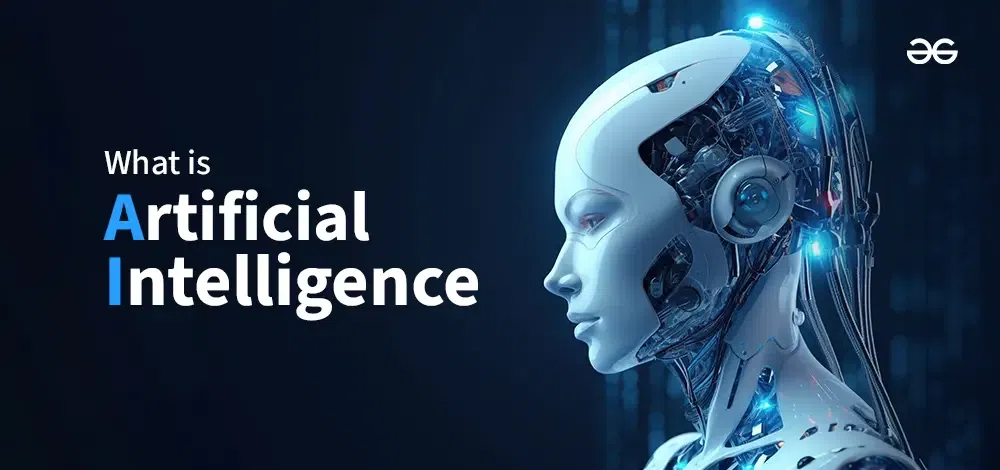
Artificial intelligence (AI) has moved from science fiction to everyday life. From voice assistants to automated chatbots, AI is already transforming how we live and work. But one big question remains: what does this mean for jobs? Over the next five years, AI will reshape industries, create new opportunities, and challenge workers to adapt.
What AI Really Means in the Workplace
AI is more than just robots—it includes algorithms that can analyze data, generate text, design graphics, and even diagnose diseases. In the workplace, AI acts as both an assistant and sometimes a replacement for repetitive tasks.
Jobs Already Being Automated in 2025
-
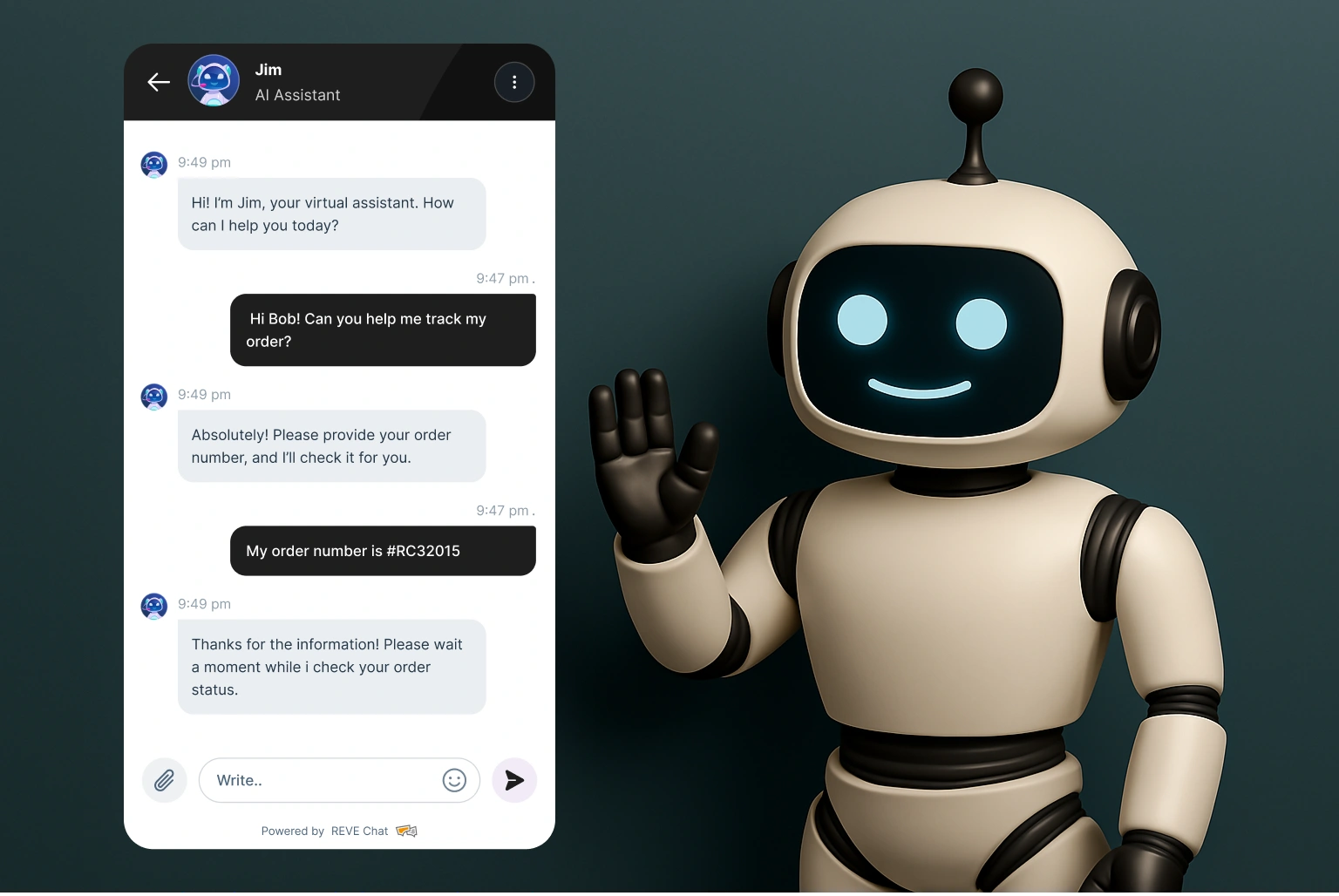
Customer support (chatbots answering FAQs)
-
Basic accounting (AI handling bookkeeping)
-
Transportation (self-driving vehicles in pilot programs)
-
Retail checkout (self-service kiosks powered by AI vision)
Jobs Most at Risk in the Next 5 Years
-
Data entry clerks
-
Telemarketers
-
Basic translators
-
Delivery drivers (with driverless logistics expanding)
New Jobs That AI Is Creating

AI isn’t just eliminating work—it’s also creating opportunities:
-
AI trainers (teaching algorithms how to behave)
-
Prompt engineers (crafting better inputs for AI tools)
-
AI ethicists (ensuring fairness and transparency)
-
AI maintenance specialists (managing and repairing systems)
How Workers Can Adapt and Stay Relevant
-
Upskill with digital literacy
-
Develop creativity and problem-solving skills
-
Learn to use AI tools as “co-workers”
-
Stay adaptable and open to lifelong learning
Final Thoughts
AI will not completely wipe out jobs, but it will redefine them. The key is not to compete against machines but to collaborate with them. Those who adapt early will thrive in the AI-driven future of work.


Comments
Post a Comment